

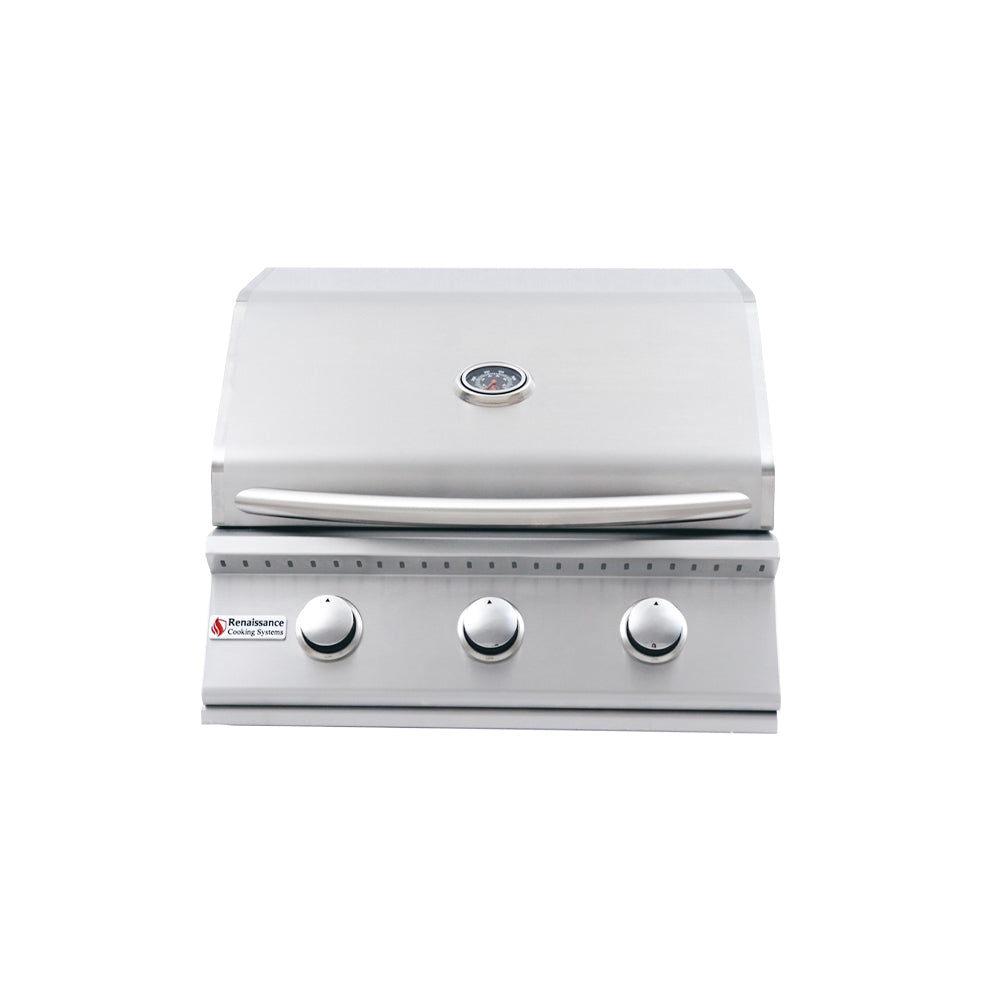
26" Premier Built-In Grill - RJC26A
$1,484.00
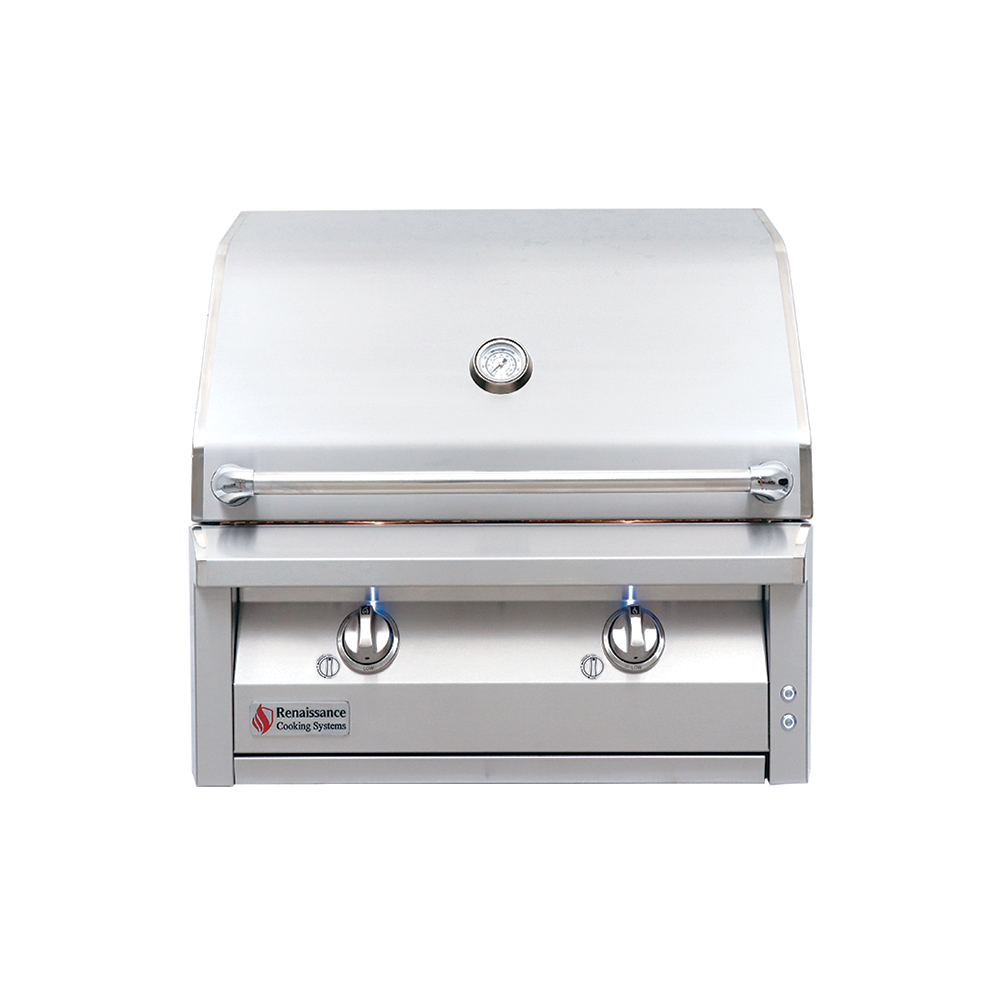
30" ARG Built-In Grill - ARG30
$4,225.00

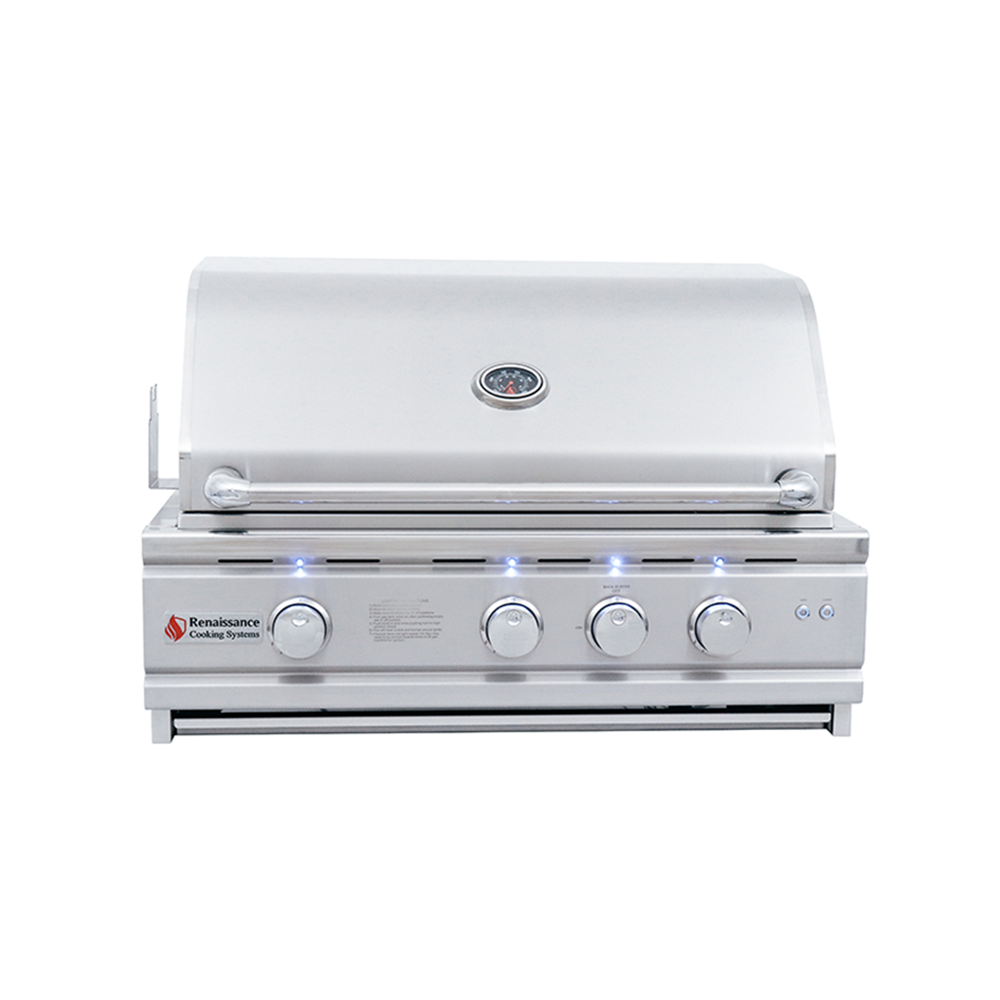
30" Cutlass Pro Built-In Grill - RON30B
$4,199.00

32" Classic Built-In Grill - RCG32
$1,399.00
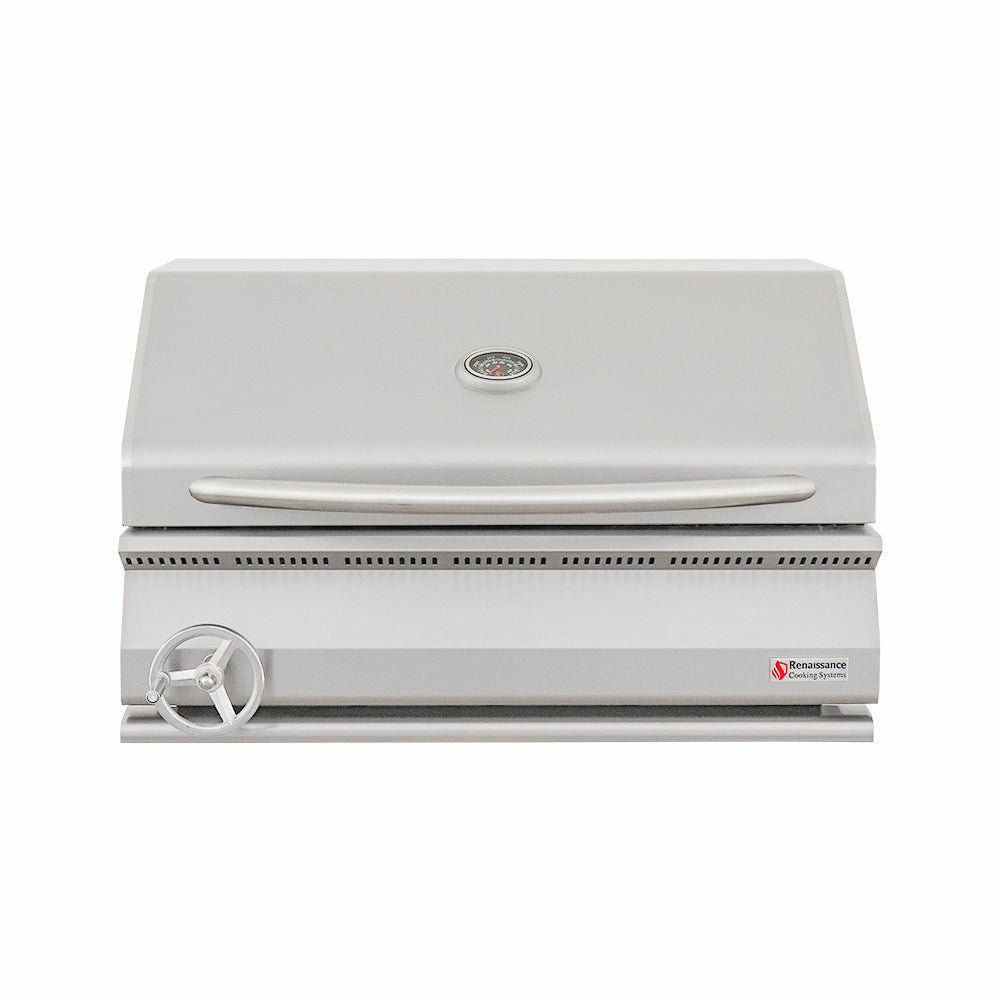
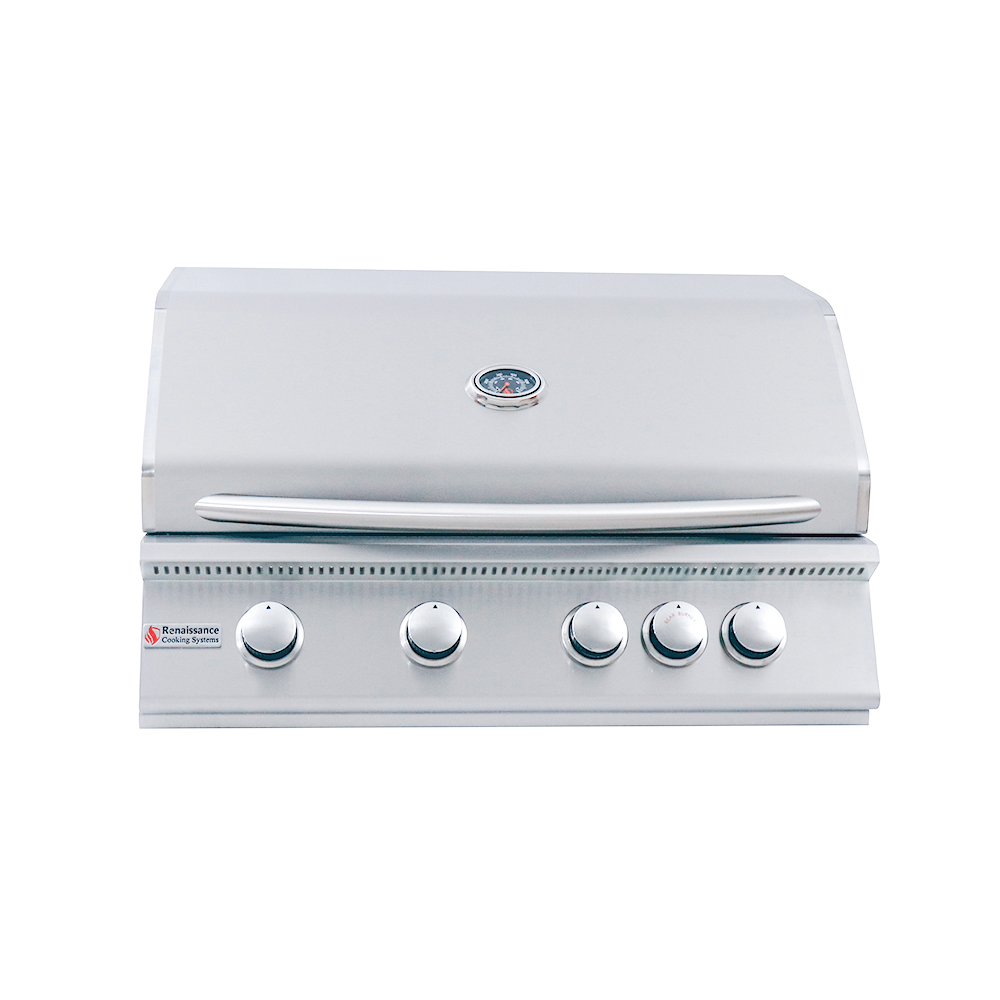
32" Premier Built-In Grill - RJC32A
$1,649.00
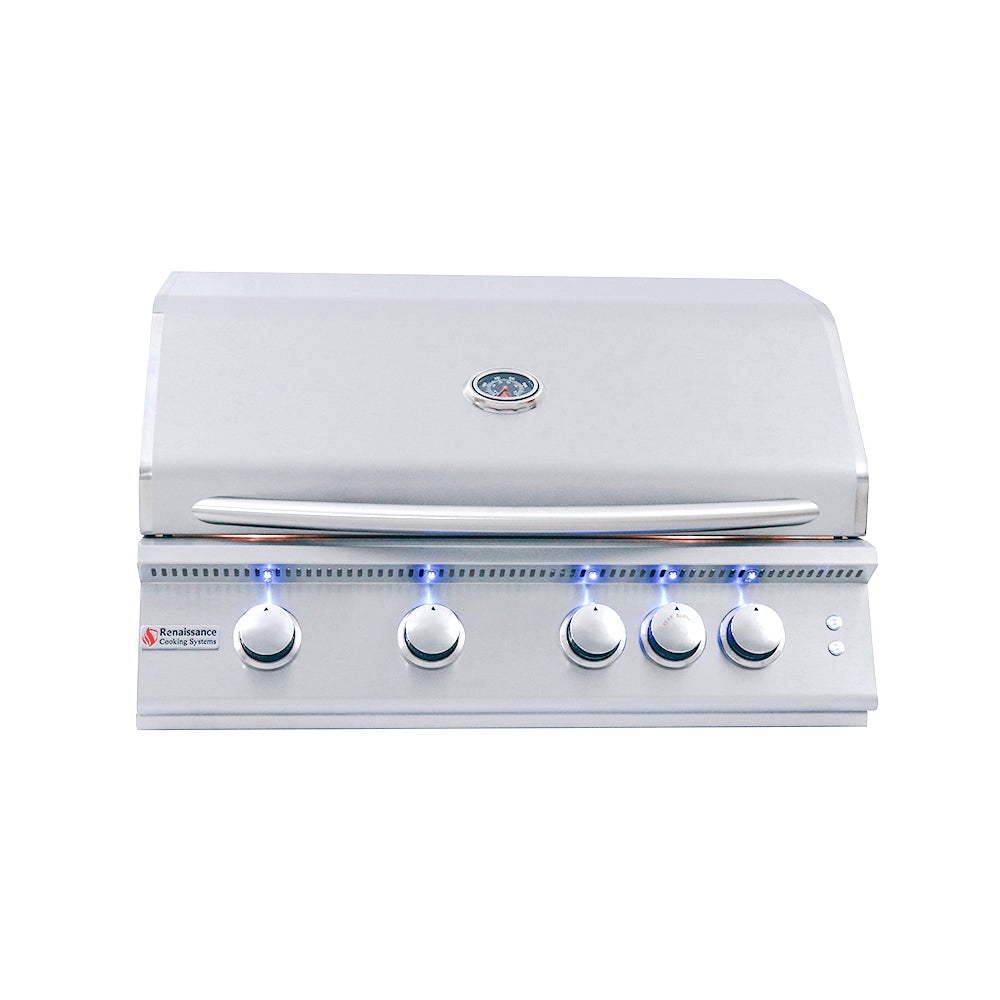


38" Cutlass Pro Built-In Grill - RON38B
$4,799.00

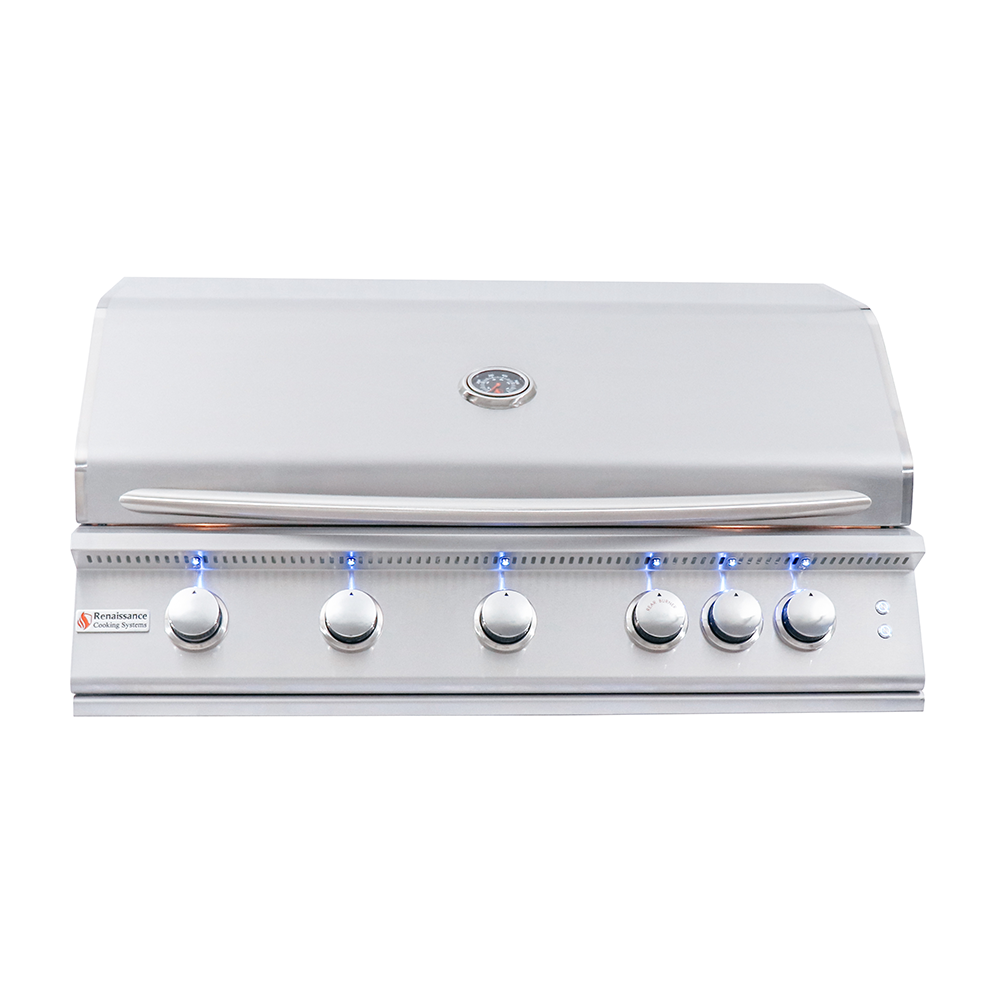
40" Premier Built-In Grill - RJC40A
$2,464.00
Why Choose a Built-In Grill?
Built-in grills deliver more than just heat, they bring style, permanence, and a higher level of outdoor cooking experience. Here’s why many homeowners and outdoor kitchen lovers opt for built-in over freestanding or portable setups:
-
Seamless integration into outdoor island or kitchen cabinetry means your grill becomes part of the landscape, not just an appliance.
-
Larger cooking capacity: Many built-in models offer wider cooking surfaces, more burners, side burners, infrared or sear zones, etc. Perfect when entertaining or cooking for larger groups.
-
Fuel flexibility: Whether you prefer natural gas or propane, built-in grills often have options for both, with cleaner installation of fuel lines.
-
Durability and materials: Premium built-in grills tend to use heavy-gauge stainless steel, high-quality burners, insulation, and stronger components—built to endure weather and frequent use.
-
Potential increase in property value: A well-constructed outdoor kitchen with a built-in grill is often seen as a desirable feature in real estate.
Key Features to Look for in a High-Quality Built-In Grill
When evaluating built-in grills, these are the features that make a difference over time, not just at first glance:
- Burner Configuration & BTU Output: Ensure the grill has burners that deliver even heat across the cooking surface. Look for enough total BTUs (British Thermal Units) to match the grill’s size—too little, and you’ll get cold zones; too much without proper flame control can waste fuel.
- Grate Material and Surface Area: Cast-iron grates (enameled or not), stainless steel, or multi-material grids make a difference in heat retention, searing ability, and evenness. Larger surface area allows more food at once and better grill marks.
- Ignition System and Safety: Reliable ignition (electronic, battery, or push-button), flame-failure protection, good air flow and ventilation so the grill fires up safely—and relights if a flame goes out.
- Lighting and Visibility: Integrated lights (LED or otherwise) make prepping and grilling after dusk much easier. Good hood lights, control panel lights, and internal grill lighting help.
- Ease of Cleaning and Maintenance: Grease trays, removable drip pans, access to burner tubes for cleaning, easily removable grates—all help keep the grill working well and extend its lifespan.
-
Weather Resistance & Warranty: Look for stainless steel components, protective covers, sealed control knobs, and strong warranties. Built-in grills must survive exposure to the elements.
How to Plan for Installation
Because built-in grills are a more permanent fixture, planning installation ahead of time will save you headaches. Here are important installation considerations:
-
Cut-out dimensions & clearances: Measure the space carefully. Leave enough clearance both for safe operation (heat exposure, ventilation) and maintenance access (burners, internal parts).
-
Fuel connection: If using natural gas, ensure a proper gas line connection nearby. If using propane, plan for tank placement and refills (tank cabinets or way to access safely).
-
Ventilation & heat isolation: Built-in grills generate high heat—wind protection, hood vents, and non-combustible surfaces around the grill matter for safety and performance.
-
Surface materials: Countertops and siding around the grill should be heat resistant. Think about how the materials (stone, stainless steel, composite) will hold up to grease, smoke, weather exposure.
-
Drainage & cleaning access: Grease and drippings need somewhere to go. Built-in units should have easy-to-access drip trays and pathways for cleaning.
-
Lighting & aesthetics: Think beyond function—lighting, layout, hardware, and trim all bring the finished look. Built-in options with LED lighting or decorative accents help enhance ambiance.
Visit one of our sister sites