



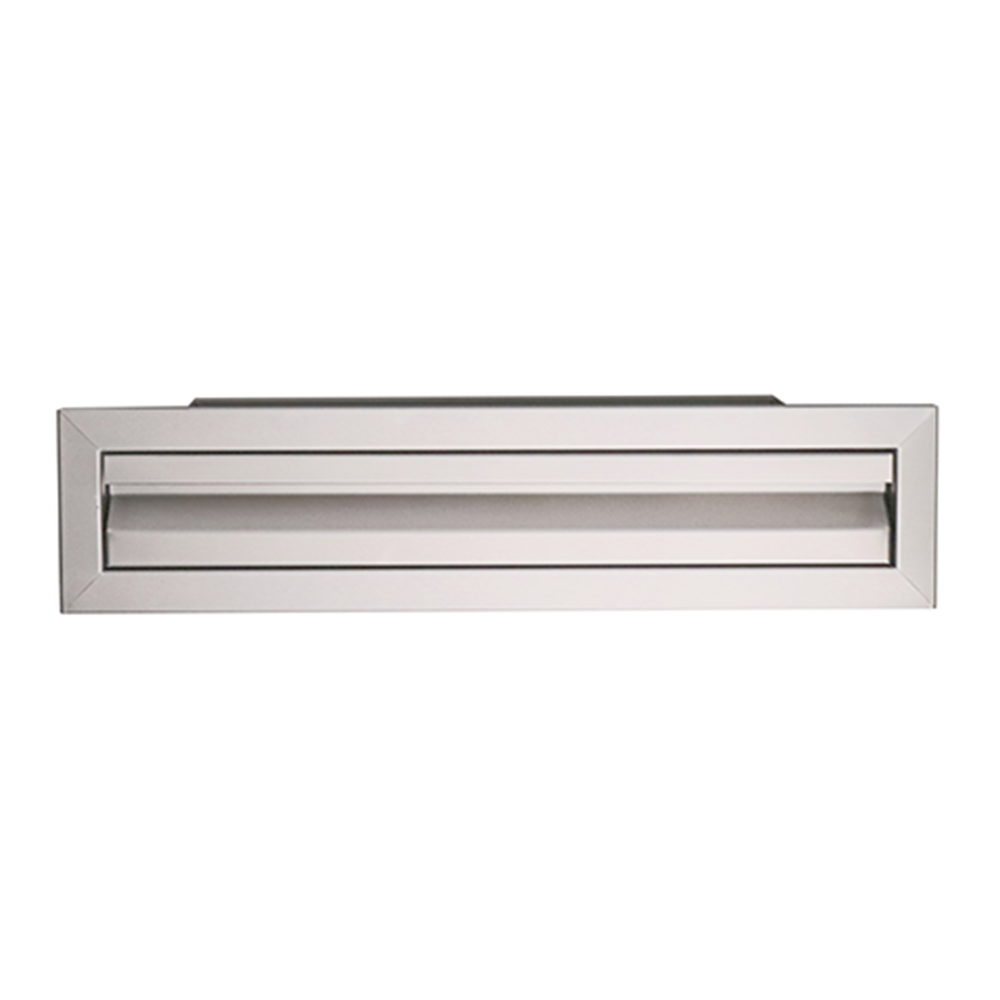
Accessory & Tool Drawer - VDU1
$394.00
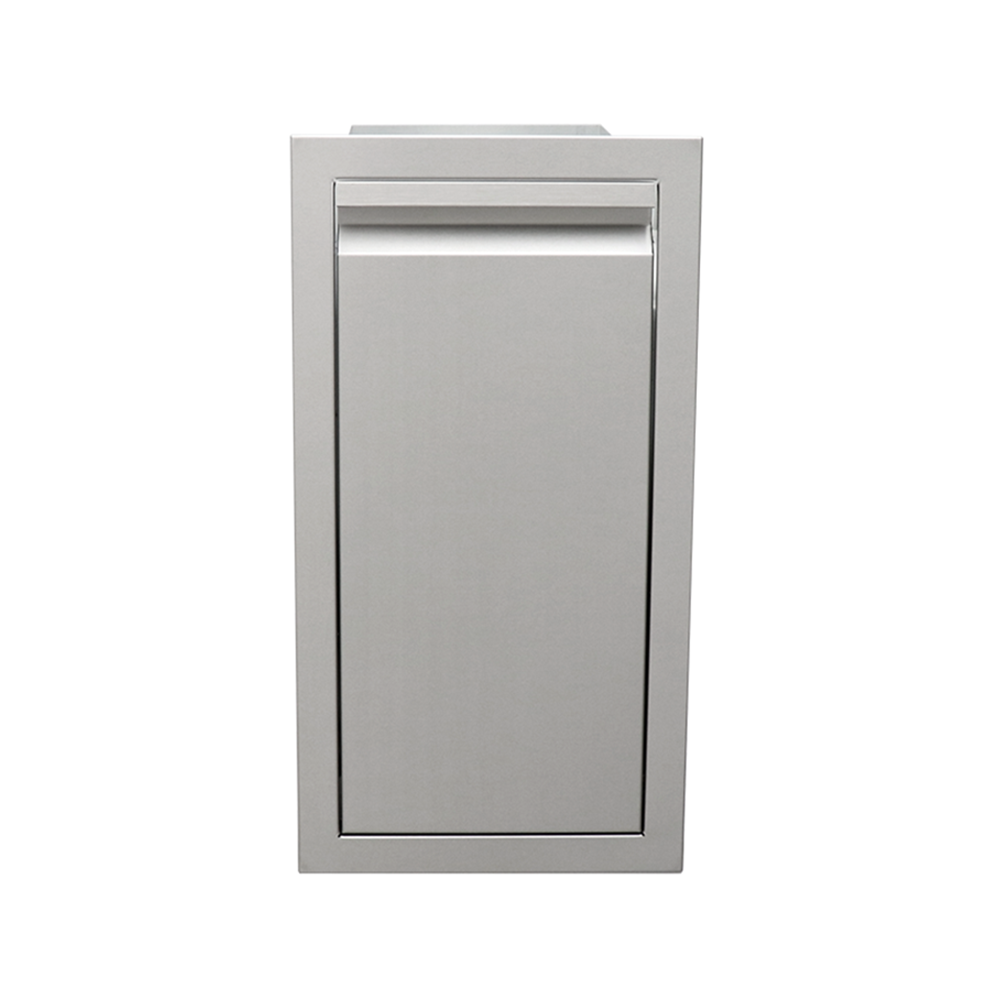


Double Doors 33W X 22H- VDD1
$359.00


Double Doors 45W x 16H - VDD4
$429.00

Double Doors 45W X 22H - VDD2
$399.00
Outdoor Kitchen Doors, Drawers, and Access Panels: How to Plan, Choose, and Install
Well-designed storage and access components are the backbone of a functional outdoor kitchen. Doors, drawers, and access panels keep tools organized, utilities reachable, and supplies protected—while giving your island a clean, finished look. This collection includes popular double-door sizes (33 x 16, 33 x 22, 45 x 16, 45 x 22), single and double drawers, combo modules, recessed access panels (6 x 6 and 8 x 8), specialty storage (charcoal/pellet drawers), and fully enclosed pantry options.
How to Choose the Right Components
-
Start with service access: Plan at least one access door beneath each built-in appliance (grill, power burner, refrigerator) and any sink to reach valves, traps, and outlets. Match door size to the appliance width and the space available.
-
Add everyday storage: Position drawers near prep zones so frequently used tools live where you work. A large-capacity drawer (VDU2) can hold bulky items like grill racks or cutting boards; a single drawer (VDU1) suits tools and probes.
-
Use combo modules for flexibility: Door/drawer units (VDC1SC) balance utility access and organization in one cutout—especially helpful in compact kitchens.
-
Plan for fuel and supplies: If you use propane, a dedicated drawer (VDCL1) streamlines tank swaps. Solid-fuel cooks can keep bags of charcoal or pellets dry and contained in a specialty drawer (VDCP1).
-
Choose left/right orientation early: For asymmetric islands or corner builds, confirm the door swing and drawer orientation before cutting openings.
-
Consider a pantry cabinet: A fully enclosed pantry (VDP1) with shelves enhances storage for paper towels, spices, and prep essentials while maintaining a clean look.
Sizing and Layout Tips
-
Coordinate sizes: Common double-door footprints include 33 x 16, 33 x 22, 45 x 16, and 45 x 22. Use taller doors (22-inch height) where you need more reach for utilities; use shorter heights (16-inch) where a lower opening suits the structure.
-
Group by task: Place drawers under or next to the primary prep surface; keep door access directly below appliances or plumbing.
-
Allow breathing room: Maintain clearances for hinges and drawer slides. Avoid crowding corners and vertical supports that can interfere with full extension.
-
Think about handles and reach: Align handles horizontally for a cohesive look and verify comfortable reach distances for all users.
Installation Best Practices
-
Verify cutout dimensions: Always confirm the manufacturer’s cutout width, height, and depth before building. Account for flange, trim, and any required shims.
-
Level and square: Doors and drawers perform best on a plumb, level surface. Shim as needed so gaps are even and slides operate smoothly.
-
Plan utility pathways: Keep gas, electrical, and water lines clear of drawer tracks and hinge paths. Use recessed access panels (RAD66, RAD88) for shutoff points you may need to reach quickly.
-
Respect ventilation: Follow appliance and local code requirements for airflow, especially near propane storage and built-in grills.
-
Choose appropriate fasteners: Use corrosion-resistant hardware suitable for outdoor environments to secure frames without warping the facade.
Material and Hardware Considerations
-
Weather resistance matters: Outdoor-rated stainless faces and corrosion-resistant slides/hinges help components operate smoothly through heat, rain, and seasonal changes.
-
Hardware options: Some configurations include enhanced features like soft-close slides or door dampers; verify on the individual product page if this is important to you.
-
Seam and edge care: Smooth, sealed edges help shed water; proper gasketing or liners on enclosed units can further protect contents.
Maintenance and Care
-
Clean surfaces routinely: Wipe with mild soap and water; avoid harsh abrasives that can scratch faces and handles.
-
Keep slides running freely: Periodically clean drawer tracks and apply a light, manufacturer-approved lubricant if needed.
-
Inspect fasteners and alignment: Tighten handles, check hinge adjustments, and re-level doors/drawers if settling occurs.
-
Manage moisture: Empty and wipe down enclosed storage after heavy weather; store paper goods in sealed containers when not in use.
Checklist Before You Buy
-
Confirm door/drawer sizes relative to appliances and island framing
-
Choose left- or right-hand door swing where applicable
-
Plan for propane or solid-fuel storage if needed (VDCL1, VDCP1)
-
Allocate at least one utility access point per appliance (consider RAD66, RAD88)
-
Verify cutouts, clearances, and total footprint on your layout
-
Ensure materials and hardware are suitable for your climateFully enclosed pantry cabinet with shelves
-
Outdoor kitchen installation, cutout dimensions, utility access, ventilation
Visit one of our sister sites