

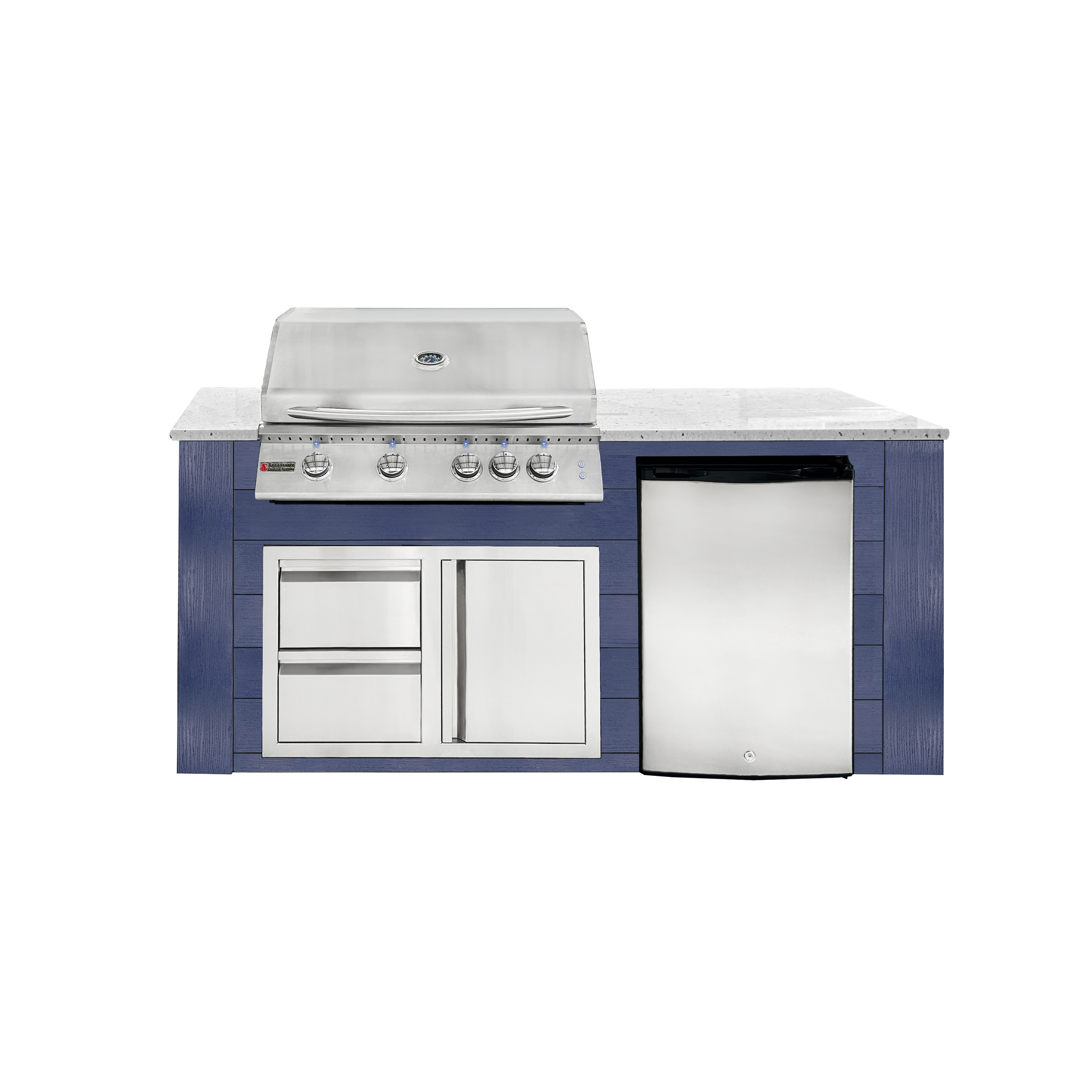
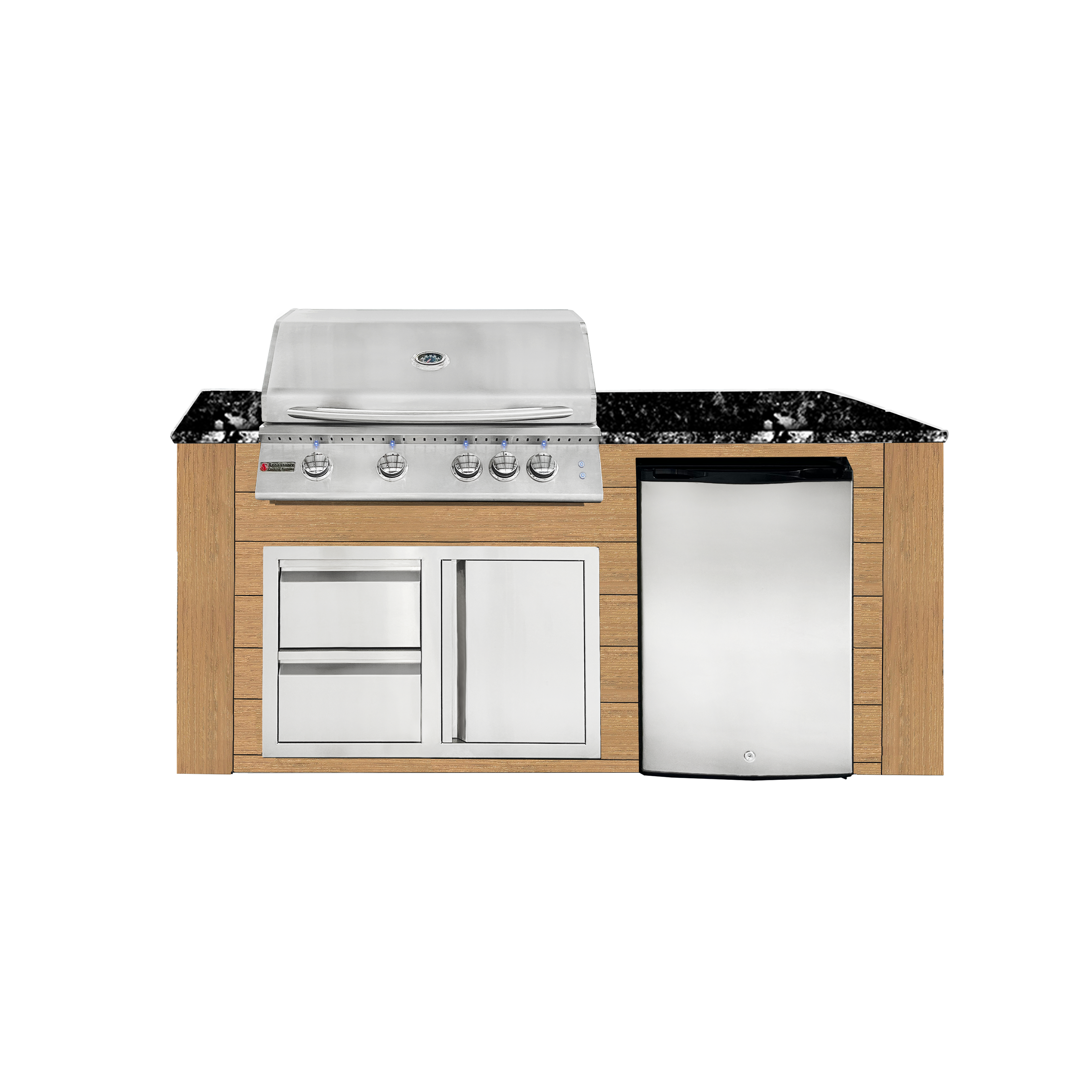
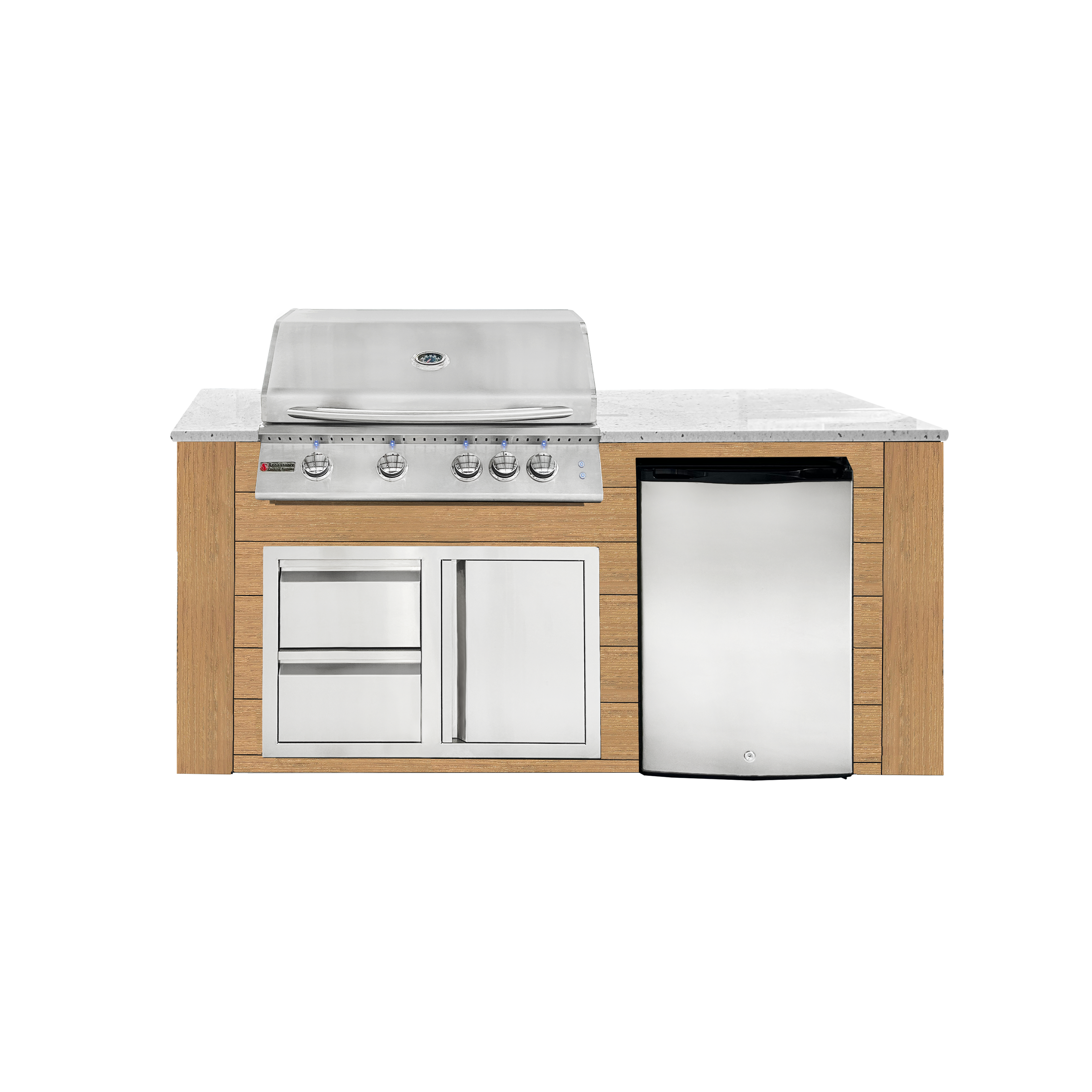
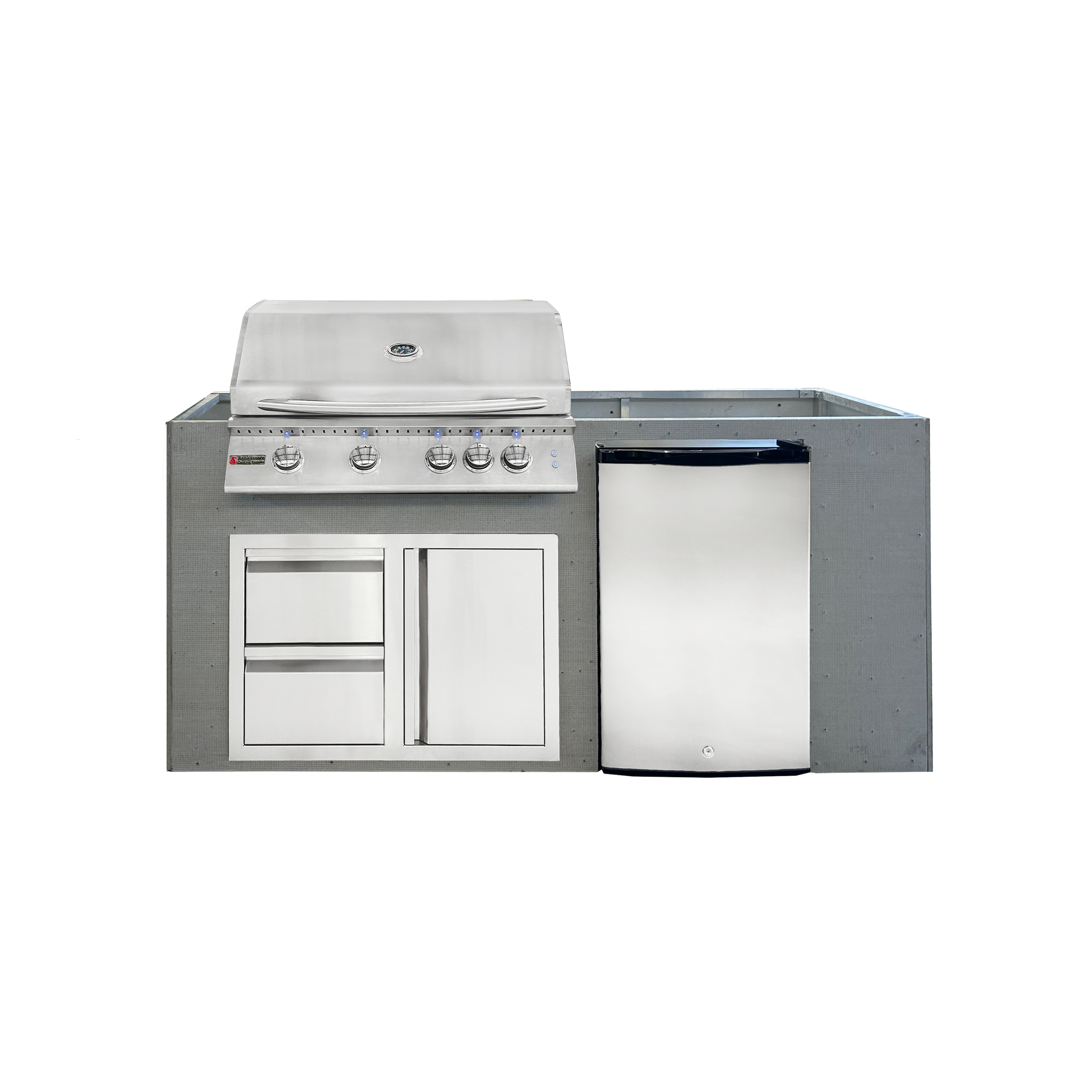
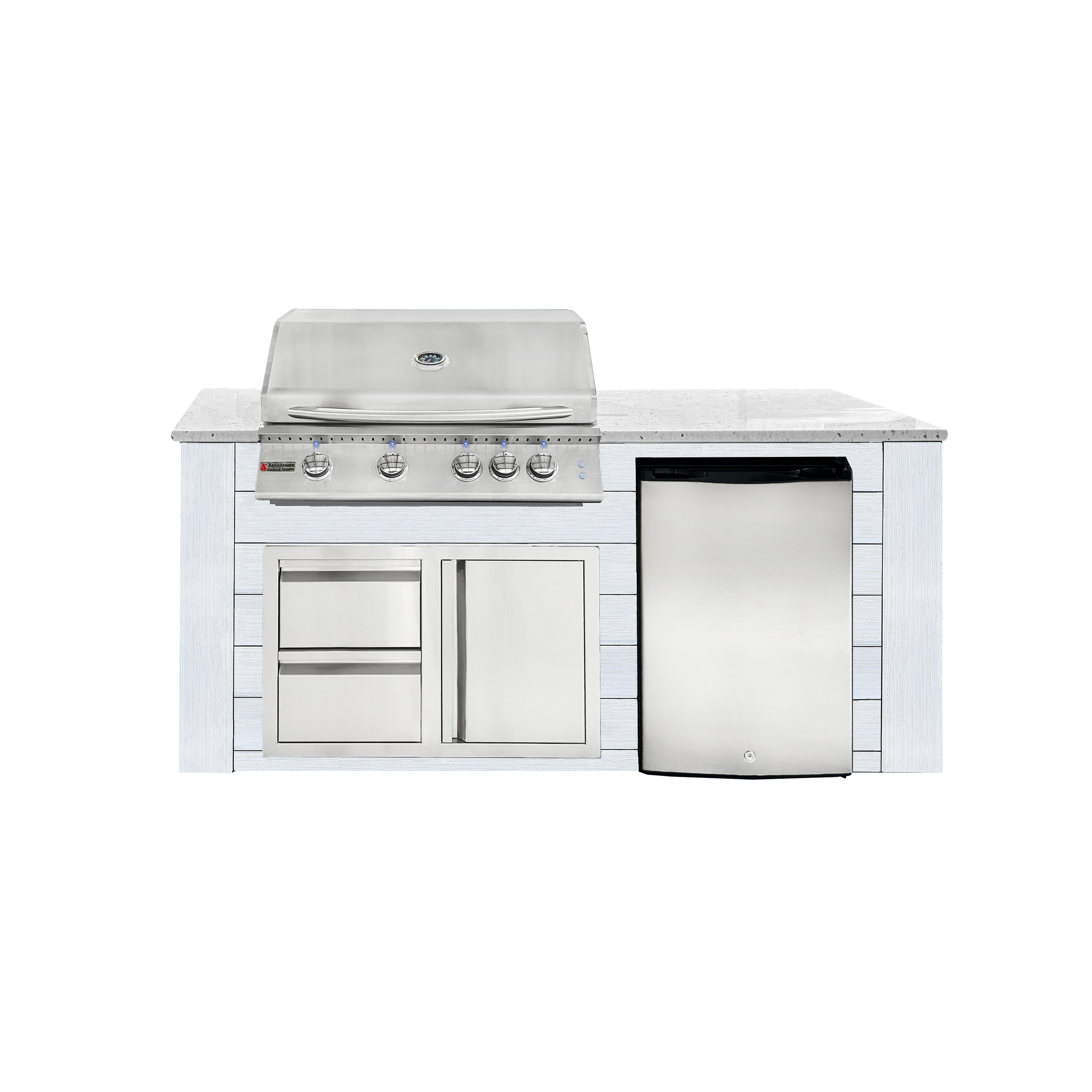
6ft Outdoor Kitchen - Unfinished Cabinet
From $8,550.00
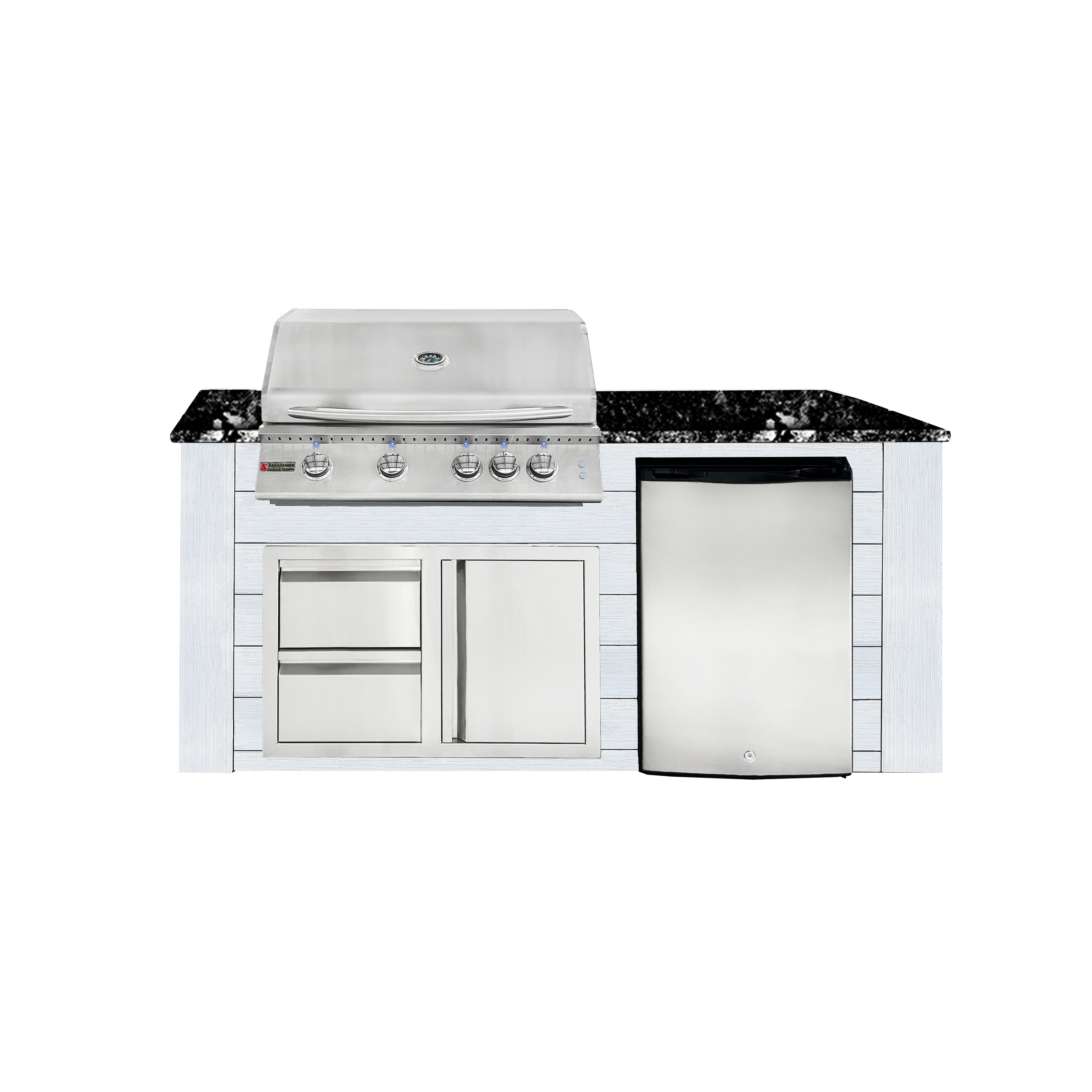
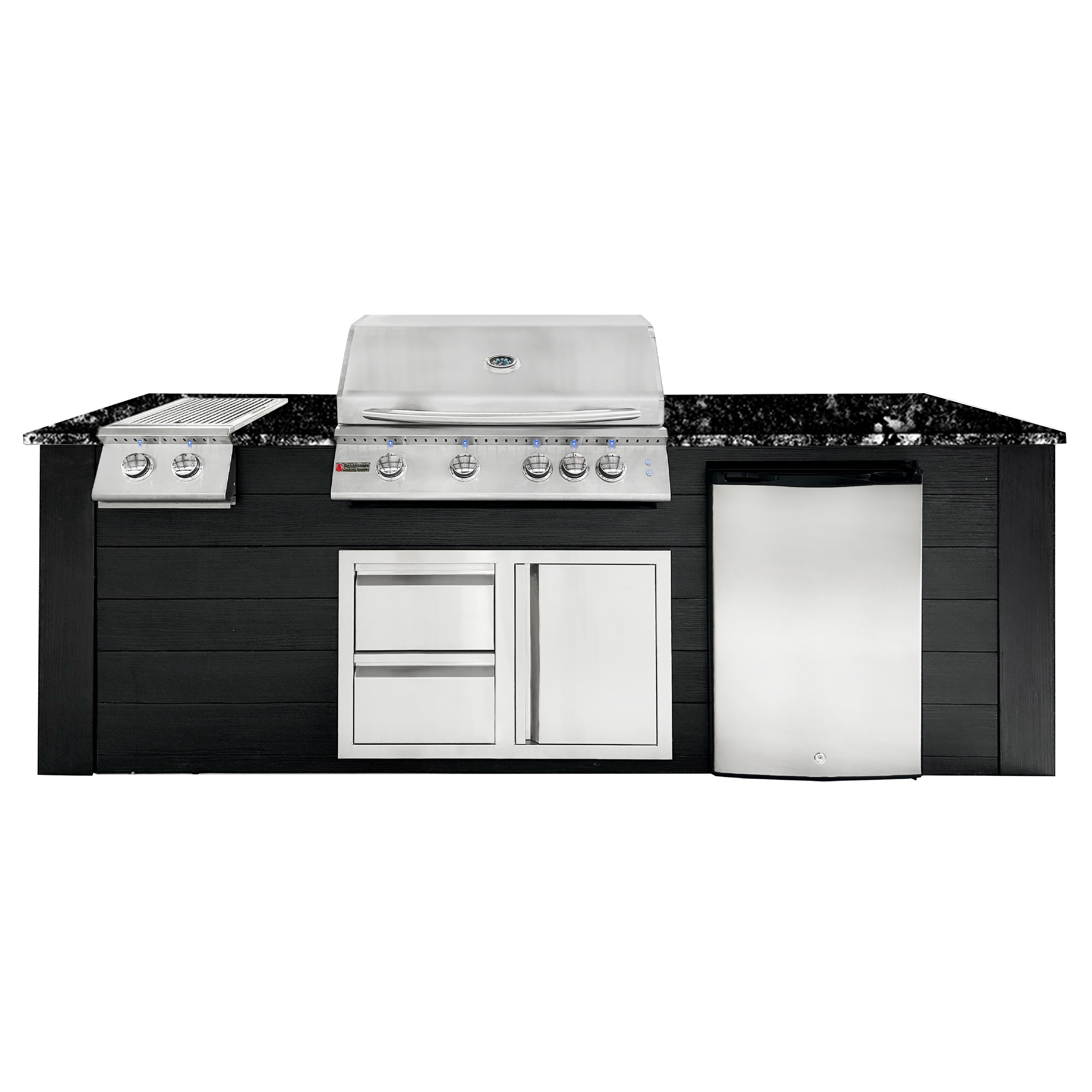
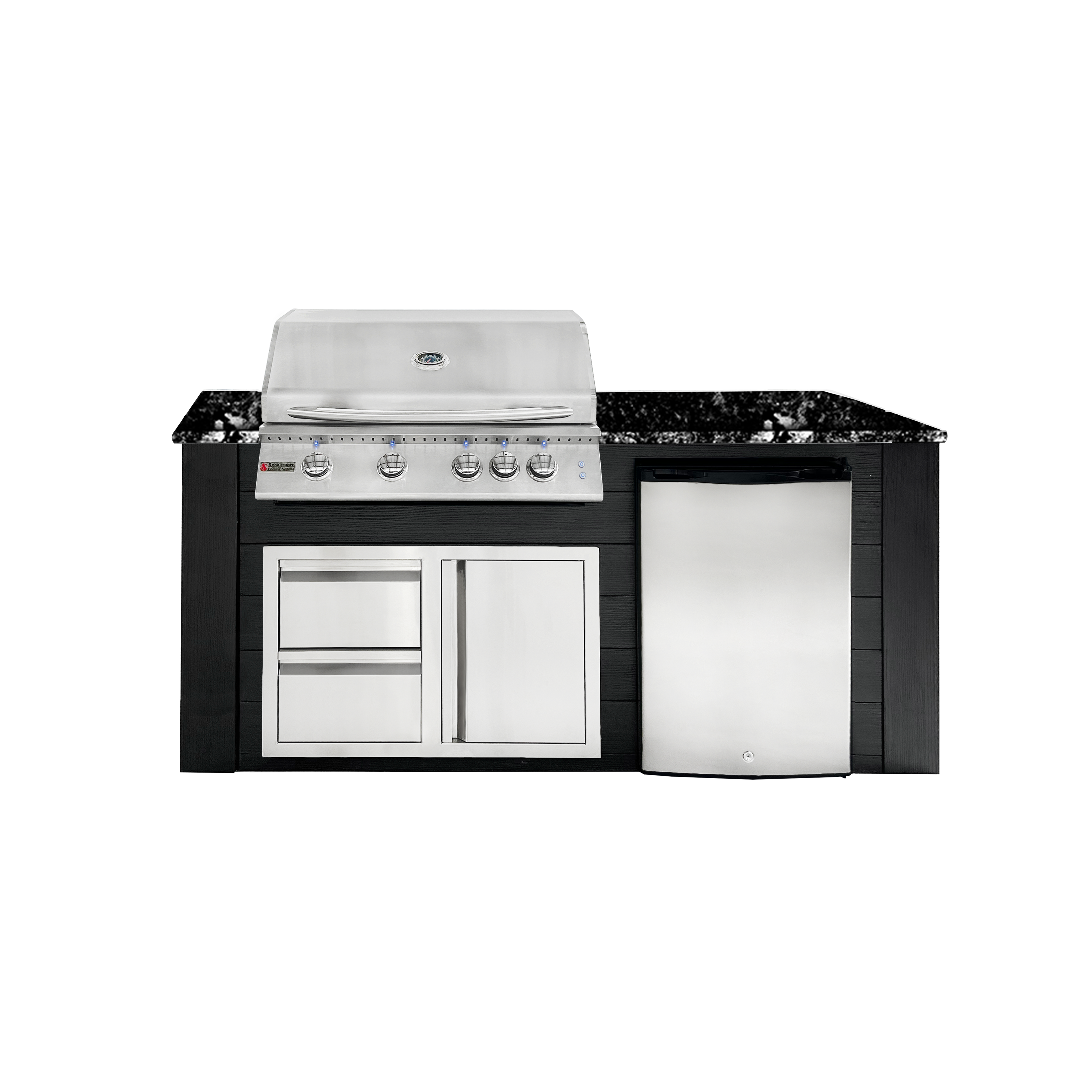
8ft Outdoor Kitchen - Black Cabinet w/ Black Granite Countertop
From $10,420.00
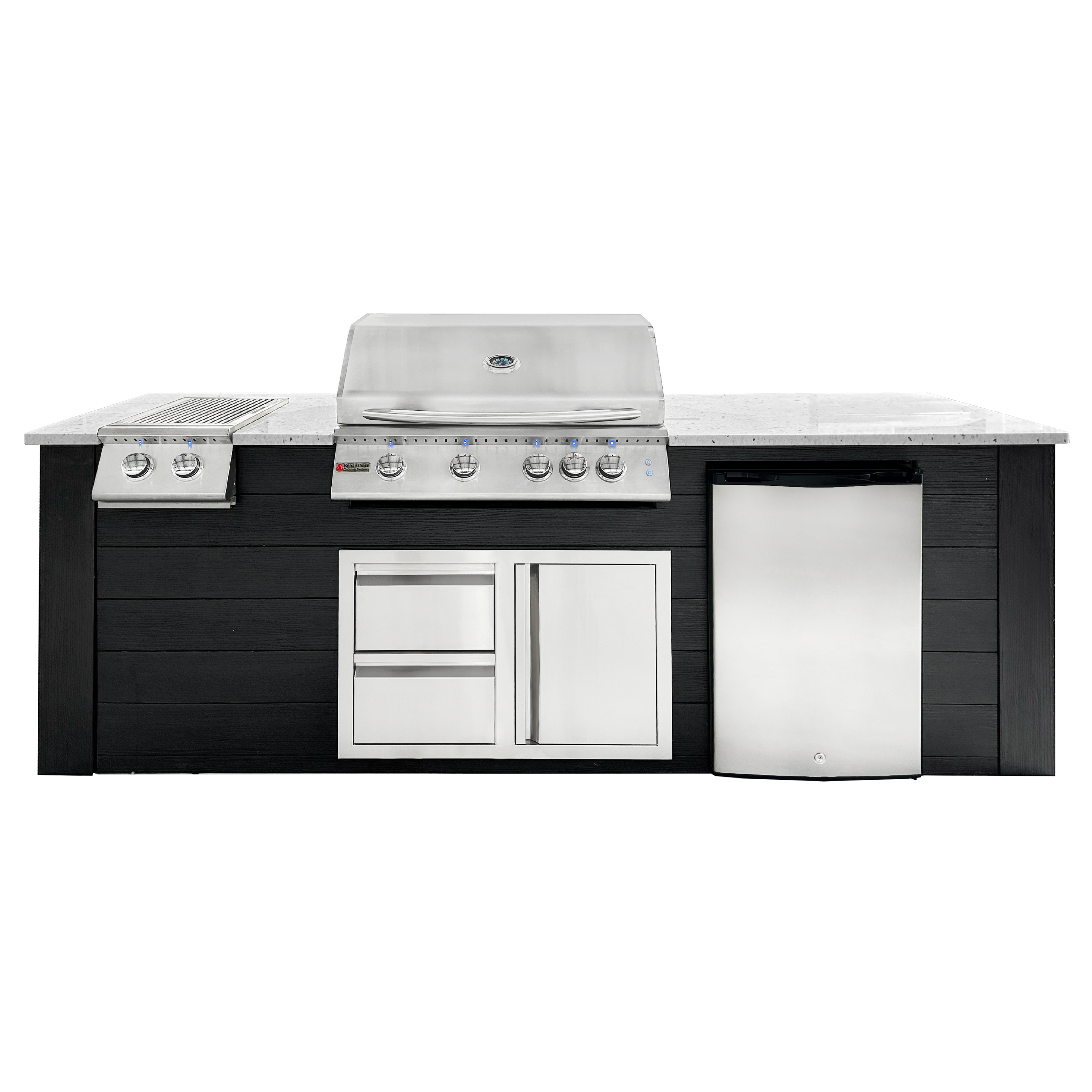
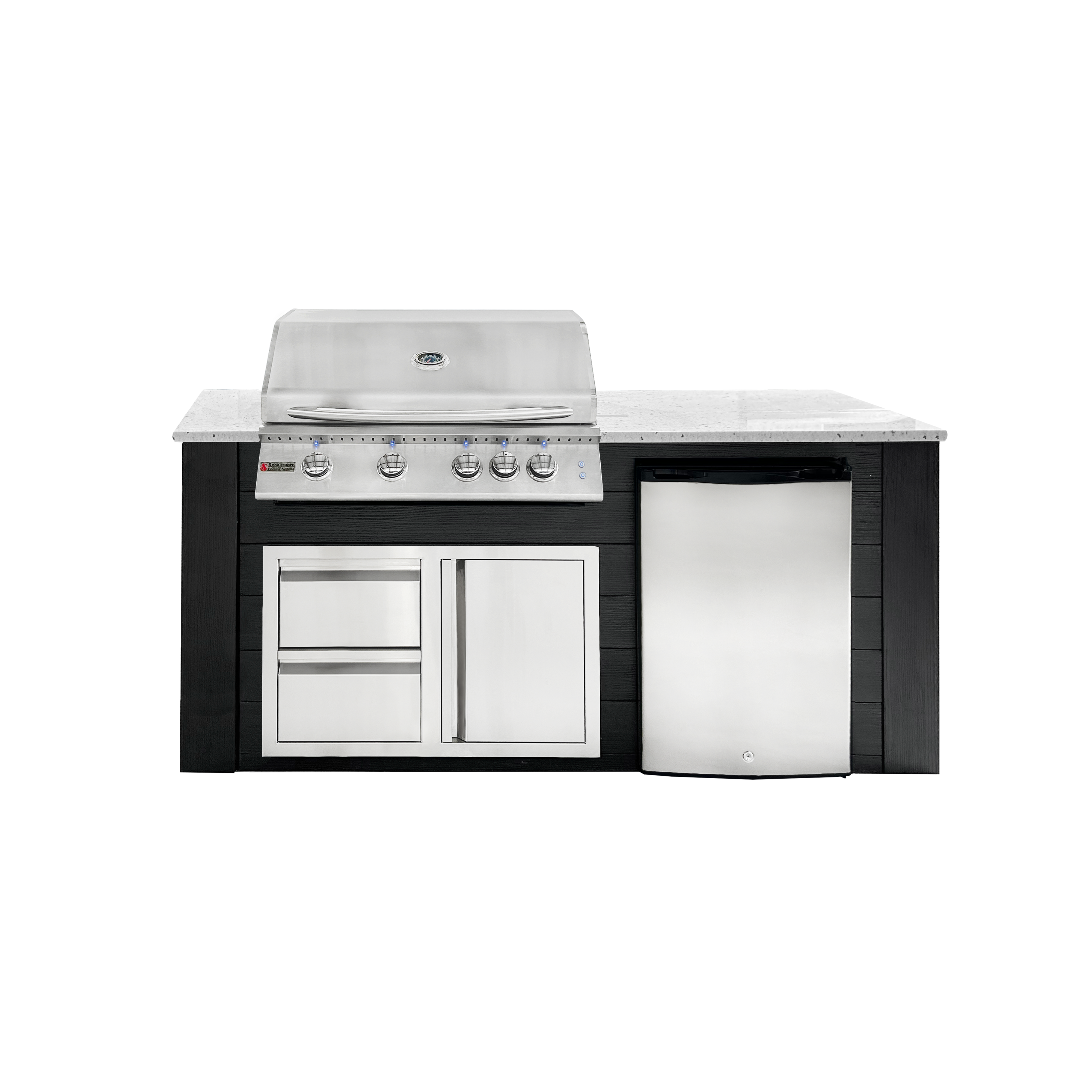
8ft Outdoor Kitchen - Black Cabinet w/ White Granite Countertop
From $10,420.00
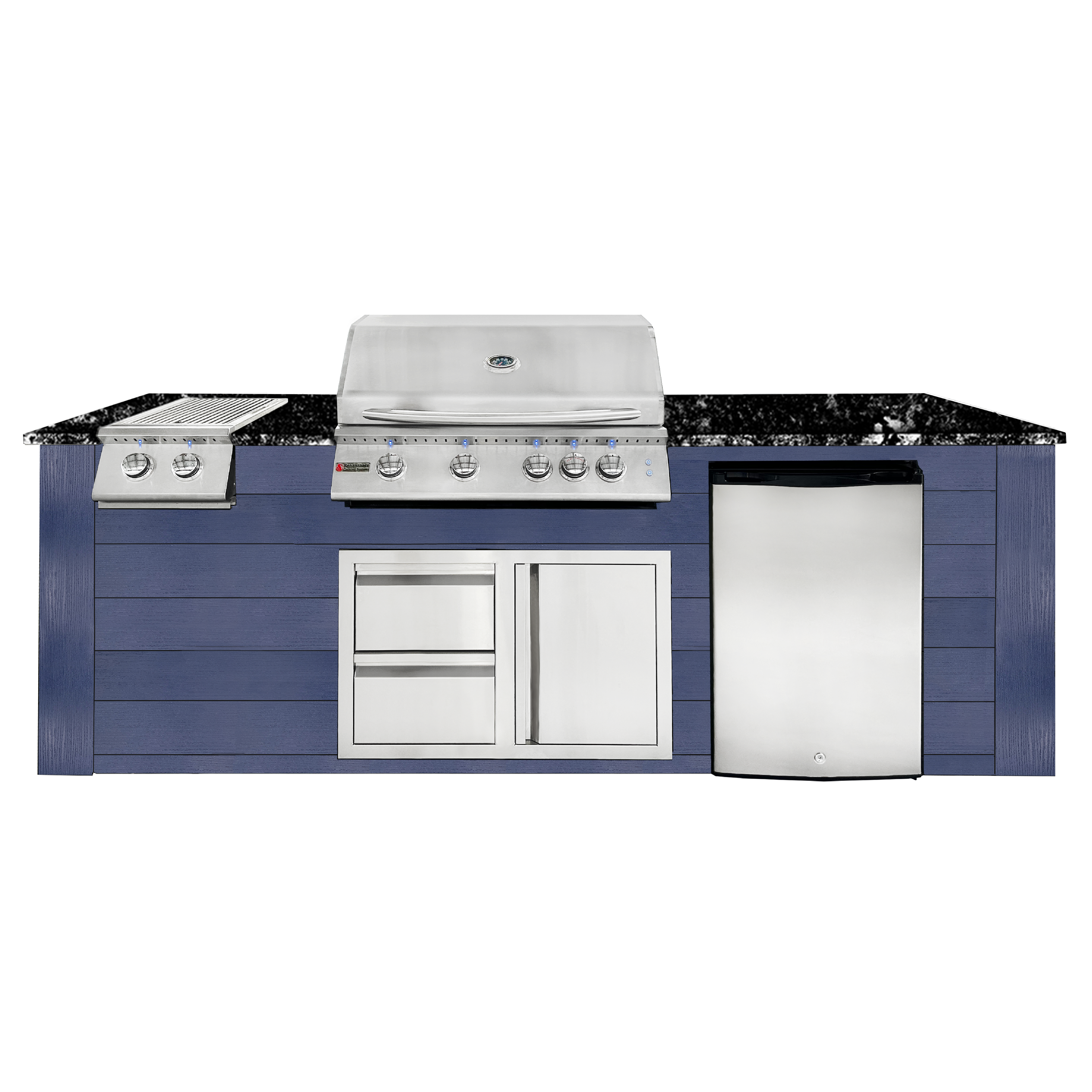
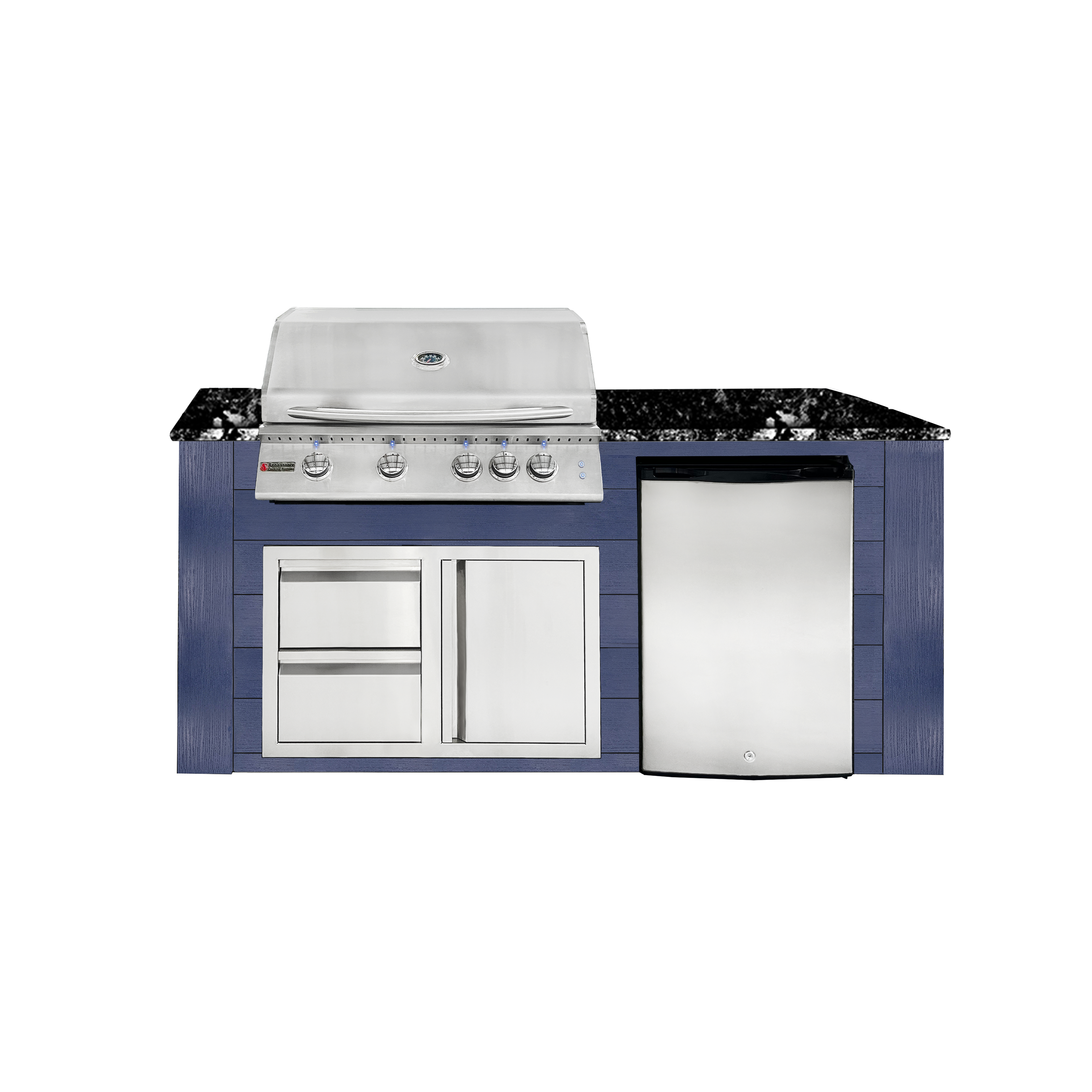
8ft Outdoor Kitchen - Blue Cabinet w/ Black Granite Countertop
From $10,420.00
Pre-Built Outdoor Kitchens: A Practical Guide to Choose, Install, and Maintain
Pre-built outdoor kitchens offer a fast, reliable way to add a complete cooking station to your backyard without the complexity of custom construction. These ready-to-place or modular configurations bundle the essentials—built-in grill, storage, and countertop—into a single, space-efficient footprint that’s easy to plan around and easier to live with.
What’s Typically Included in a 6-Foot Pre-Built Outdoor Kitchen
A 6-foot layout is a popular, space-conscious choice that fits most patios and decks while providing a true “outdoor kitchen” experience. Common components include:
-
Built-in gas grill in the 32-inch class (options like RJC32A or RJC32AL with lighting)
-
Weather-resistant outdoor kitchen cabinet base (often powder-coated steel or similar) in finishes such as black or blue
-
Durable countertop, often granite in black or white
-
Integrated storage and access solutions (drawer stacks or door/drawer combinations with left or right orientation)
-
Provisions for proper ventilation and service access
Fuel Options: Natural Gas vs. Propane
-
Natural Gas (NG): Ideal when a gas line is available. It offers a continuous fuel supply, typically lower operating cost over time, and no tank swaps. Plan for a licensed installer and a shut-off valve within reach.
-
Propane (LP): Flexible for patios without a gas line and simple to get started. Factor in tank placement, secure mounting, and safe clearances. Keep a spare tank to avoid interruptions when entertaining.
Grill Model Considerations: Lighting, Size, and Use
-
32-inch class grills (e.g., RJC32A and RJC32AL) provide a generous cooking area for families and small gatherings without overpowering a compact kitchen.
-
With or without lights: Models with internal or control-panel lighting improve visibility for evening cooks and can be helpful if you often grill after dark.
-
Heat zones and accessories: Look for multiple burners and optional add-ons (rotisserie, smoker trays, or griddle plates) if you enjoy varied cooking styles.
Storage and Access: Picking the Right Configuration
Pre-built setups often let you choose between different access modules:
-
Drawer-only stacks (e.g., options similar to VDD1SC) maximize organized storage for tools, thermometers, and small accessories.
-
Door/drawer combinations with left or right orientation (e.g., VDC1SCL or VDC1SCR) offer flexible access to the interior cavity for utilities while keeping essentials in a top drawer.
-
Soft-close hardware can reduce wear and noise—useful in high-traffic outdoor spaces.
Countertops and Finishes: Style Meets Durability
-
Granite countertops in black or white are common because they handle heat and weather, resist scratches, and look great across styles—from modern black-on-black to crisp black-and-white contrasts.
-
Cabinet color options (such as black or blue) let you coordinate with your home’s exterior, decking, or hardscape. Choose UV-stable finishes and corrosion-resistant materials for long-term durability.
Planning and Placement: What to Know Before You Install
-
Clearances and ventilation: Built-in grills require non-combustible surroundings, ventilation openings, and minimum clearances. Always follow the appliance’s installation manual.
-
Surface and leveling: A flat, load-bearing surface (concrete pad, pavers on a proper base) is essential—especially for heavy stone tops like granite.
-
Utilities: Plan your gas line (or propane route), electrical for lighting/ignition or accessories, and water/drain if adding a sink later.
-
Wind and smoke: Position the grill to avoid prevailing winds blowing smoke toward seating areas or indoors.
-
Safety: Maintain safe distances from doors, windows, and overhangs; include a nearby, rated fire extinguisher.
Site Readiness Checklist
-
Confirm overall width (e.g., 6 ft) and depth clearances
-
Verify fuel type (Natural Gas or Propane) and connection points
-
Ensure required ventilation cutouts are unobstructed
-
Provide a level, non-combustible base
-
Plan electrical access if your grill or accessories include lighting
-
Confirm left/right orientation for door/drawer modules based on your space
Care and Maintenance Tips
-
Stainless and powder-coated surfaces: Rinse, then clean with mild soap; avoid harsh abrasives. Apply protectants designed for stainless or coated metals as needed.
-
Granite countertops: Clean with pH-neutral products; reseal according to manufacturer guidance to help resist stains and weathering.
-
Seasonal protection: Use a fitted cover for the grill and consider wind-rated covers for the full kitchen if compatible with ventilation requirements.
-
Off-season prep: For propane, disconnect and store tanks safely if required by local code. For natural gas, close the shut-off valve. Remove and clean grease trays regularly.
Visit one of our sister sites